
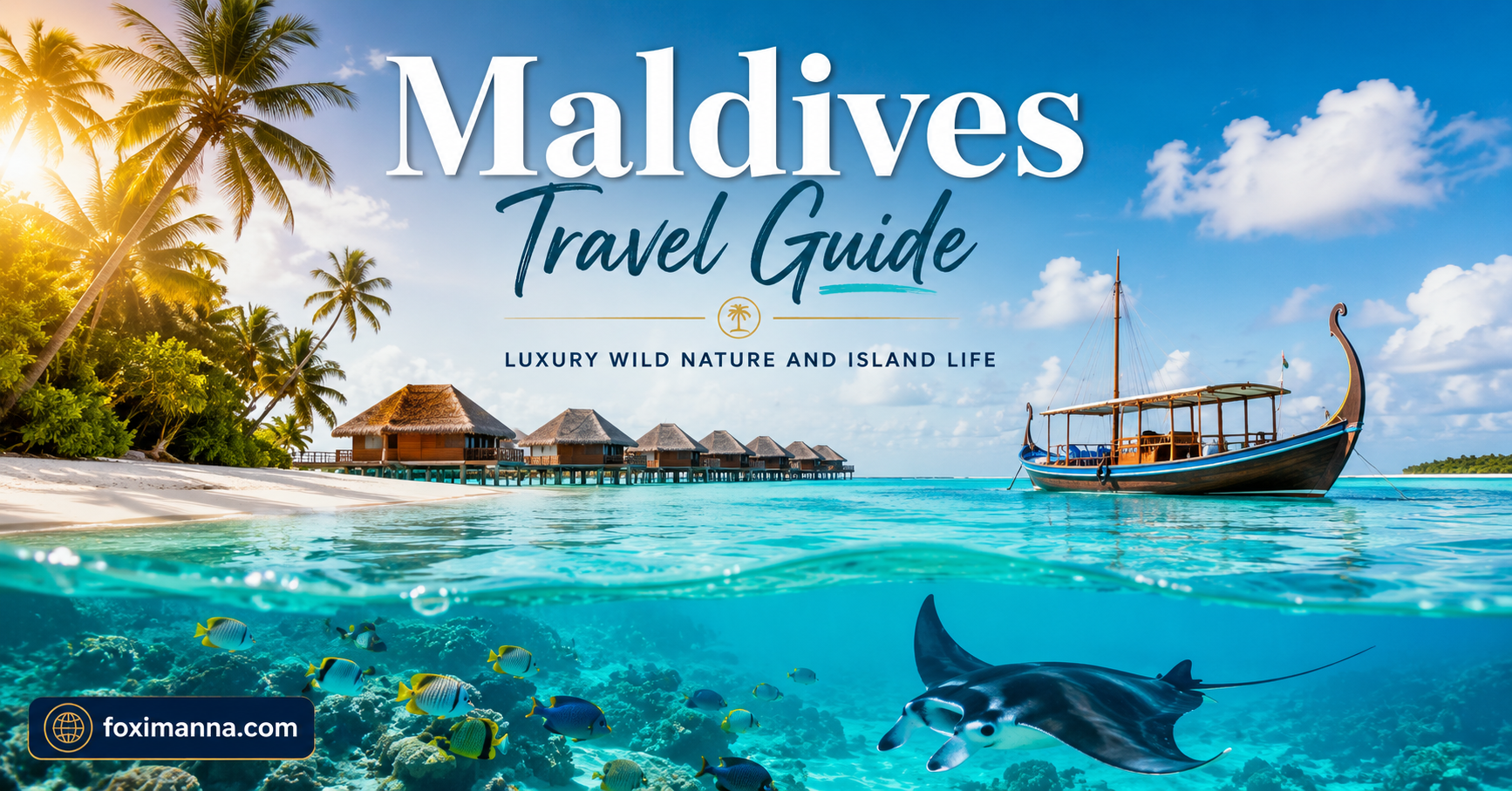
The Maldives is one of those destinations that almost feels unreal before you arrive. It is the place many travellers imagine when they picture a perfect tropical escape. Clear turquoise water, soft white sand, overwater villas, glowing sunsets, colourful coral reefs and quiet islands surrounded by the Indian Ocean all come together to create a dreamlike setting.
But the Maldives is much more than a luxury honeymoon destination. Behind the famous photographs of private pools and wooden villas built above the sea, there is a fascinating island nation with culture, history, city life, traditional fishing communities, environmental challenges and some of the richest marine life on Earth.
This is a country shaped by the ocean in every possible way. The sea feeds its people, attracts visitors, connects its islands and also threatens its future. The Maldives is famous for beauty, but its real story is deeper than beauty alone. It is a story of survival, adaptation and harmony with nature.
Travellers who only visit a private resort may enjoy an unforgettable holiday, but those who look a little closer discover a country with many layers. There are local islands where children play in narrow streets, fishermen return with fresh tuna, women prepare traditional coconut dishes and cafés fill with conversation in the evening. There are protected atolls where manta rays and whale sharks gather in huge numbers. There are southern islands with old military ruins, volcanic landscapes, freshwater lakes and some of the most unusual diving experiences in the world.
The Maldives can be peaceful, luxurious, adventurous, romantic and educational all at once. It can be a place for total relaxation, but also a place that reminds travellers how fragile paradise can be. Rising sea levels, coral protection, sustainable tourism and responsible travel are not abstract issues here. They are part of everyday life.
This guide explores the hidden side of the Maldives as well as the famous one. From Malé and Hulhumalé to Maafushi, Baa Atoll, Addu Atoll, Fuvahmulah, Dhigurah, Sun Island, Vaadhoo and Mirihi, each place reveals a different side of this extraordinary archipelago.
Maldives At A Glance
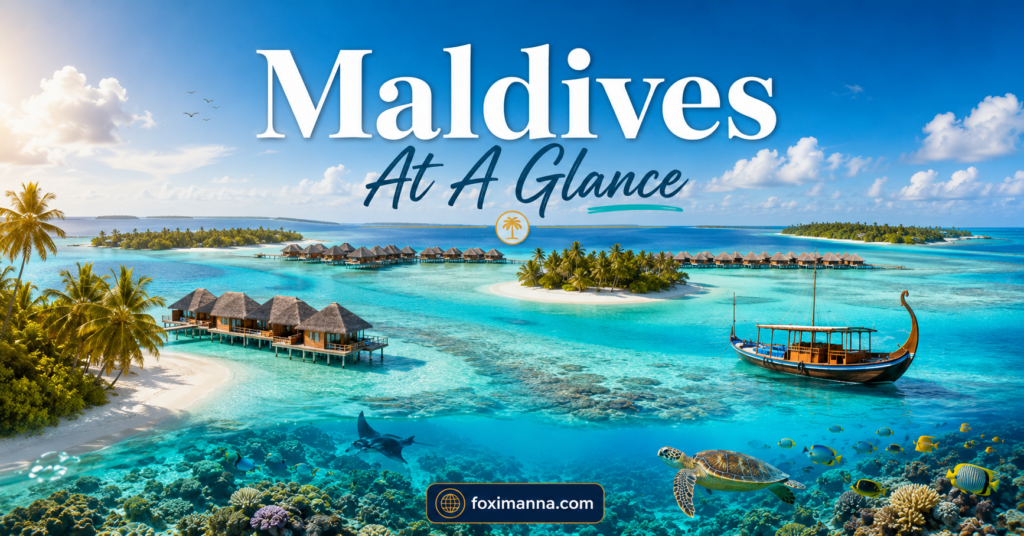
The Maldives is located in the Indian Ocean, southwest of Sri Lanka and India. It is made up of more than 1,200 islands spread across a chain of coral atolls. These islands stretch for hundreds of kilometres from north to south, creating a scattered island nation that looks delicate and beautiful from above.
Only a fraction of the islands are permanently inhabited. Many are small, low and surrounded by reefs, lagoons and shallow turquoise water. Some islands are home to local communities, while others have been developed as private resort islands. This unique arrangement is part of what makes the Maldives so different from many other beach destinations.
The country is often described as the lowest lying nation on Earth. Its average elevation is only around 1.8 metres above sea level, which makes it breathtakingly beautiful but also highly vulnerable. The same flat landscapes that create endless views of sea and sky also make the country exposed to rising sea levels, erosion and climate change.
The coral reefs around the islands are not only beautiful places for snorkelling and diving. They are natural barriers that help protect the land from waves and ocean movement. They also provide a home for extraordinary marine life, including reef fish, turtles, manta rays, dolphins, sharks and whale sharks.
Tourism is one of the most important parts of the Maldivian economy. Luxury resorts attract visitors from around the world, especially couples, honeymooners, families and travellers looking for once in a lifetime holidays. Many resorts are built on their own private islands, giving guests a feeling of seclusion and exclusivity.
Fishing is another major part of Maldivian life. Tuna fishing has long been central to local livelihoods, food culture and identity. In many island communities, the rhythm of life is still connected to the sea. Boats leave early, fresh fish arrives later in the day and seafood appears in many traditional meals.
The Maldives is also deeply shaped by culture and religion. Islam is the official religion, and local customs should be respected, especially outside resort islands. Travellers visiting inhabited islands should dress modestly, behave respectfully in public areas and remember that alcohol is generally only available in resort settings.
One of the most fascinating things about the Maldives is the way it combines luxury and simplicity. On one island, a visitor may find private infinity pools, spa treatments and fine dining. On another, they may find simple guesthouses, small cafés, fishing boats and traditional family life. Both experiences are part of the real Maldives.
The country also has many natural surprises. Some beaches appear to glow at night because of bioluminescent plankton. Some islands offer encounters with whale sharks and manta rays. Some beaches are formed partly by sand produced by parrotfish, which feed on coral and help create the soft white sand that visitors love.
The Maldives is often sold as a postcard, but it should be understood as a living country. It is beautiful, but it is not just scenery. It is home to people, traditions, challenges, innovation and fragile ecosystems. That is what makes it such a powerful destination for thoughtful travellers.
Malé And Hulhumalé Show The Real Life Behind The Paradise
For many visitors, the Maldives begins with a flight into Velana International Airport and a speedboat or seaplane transfer to a resort. But before rushing away to a private island, it is worth understanding the importance of Malé, the capital city.
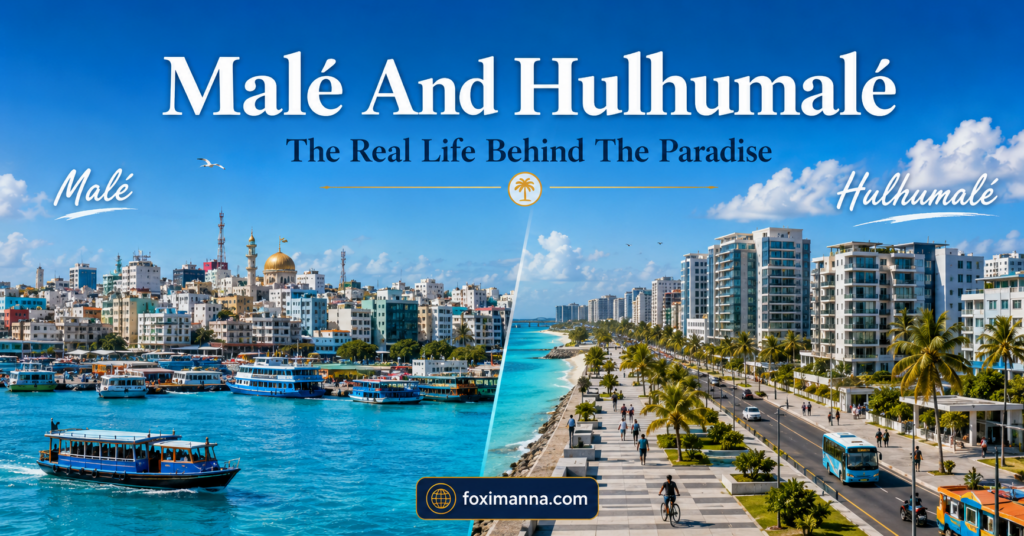
Malé is very different from the peaceful resort image most people associate with the Maldives. It is busy, compact, crowded and full of movement. The city sits on a small island of just over six square kilometres, yet it is the political, economic and cultural heart of the country. It is one of the most densely populated capital cities in the world, with narrow streets, colourful buildings, markets, mosques, offices and constant activity.
This contrast surprises many travellers. After seeing photographs of empty beaches and calm lagoons, Malé can feel intense. But that intensity is exactly what makes it interesting. It shows that the Maldives is not only a holiday playground. It is a real country where people work, shop, study, pray, commute and build their lives.
One of the most important places to visit in Malé is the Old Friday Mosque, also known as Hukuru Miskiy. Built in the 17th century, this historic mosque is one of the finest examples of traditional Maldivian craftsmanship. It was made from coral stone, carefully carved by local artisans. The walls, woodwork and inscriptions reveal a deep connection between faith, architecture and island culture.
Near the mosque is the tomb of Abu al-Barakat Yusuf al-Barbari, the scholar traditionally credited with bringing Islam to the Maldives. For travellers interested in history, this area offers a deeper understanding of how religion shaped Maldivian identity over the centuries.
The local market is another essential stop in Malé. Here, visitors can see everyday island life in action. Vendors sell tropical fruits, coconuts, vegetables, spices and dried fish. Boats arrive from other islands carrying produce and fresh seafood. The smell of tuna, spices and ripe fruit mixes with the sound of conversation and trade.
This market gives travellers a taste of the Maldives beyond the resort buffet. It shows the ingredients that shape local cooking, especially tuna, coconut, chilli, onion and flatbread. It also reveals how dependent the country is on movement between islands.
Not far from Malé is Hulhumalé, a place that represents the future of the Maldives. Unlike most islands in the country, Hulhumalé was not naturally formed. It was developed as an artificial island to help deal with population pressure in Malé and the long term threat of rising sea levels.
Hulhumalé is a planned urban area with wide roads, residential zones, green spaces, beaches and modern buildings. It has been designed to offer more space and better infrastructure for Maldivians. For travellers, it provides an interesting contrast between natural island beauty and urban planning.
The island is often described as a symbol of Maldivian resilience. It shows how the country is trying to adapt to environmental and social challenges. Clean energy, efficient transport, improved housing and sustainable planning are all important parts of the island’s development.
Hulhumalé may not have the same romantic image as an isolated resort, but it is one of the most meaningful places in the Maldives. It tells the story of a nation preparing for the future while trying to protect its people, culture and environment.
Together, Malé and Hulhumalé give travellers a more complete picture of the Maldives. Malé shows the country’s busy present and historic roots. Hulhumalé shows its future ambitions. Visiting both helps travellers understand that the Maldives is not frozen in a postcard image. It is changing, growing and adapting.
Maafushi And Local Islands Open The Maldives To Every Traveller
For many years, tourism in the Maldives was almost entirely focused on private island resorts. Travellers arrived, transferred to luxury hotels and often had little contact with local communities. That changed when guesthouse tourism on inhabited islands began to grow, opening a new chapter for the country.
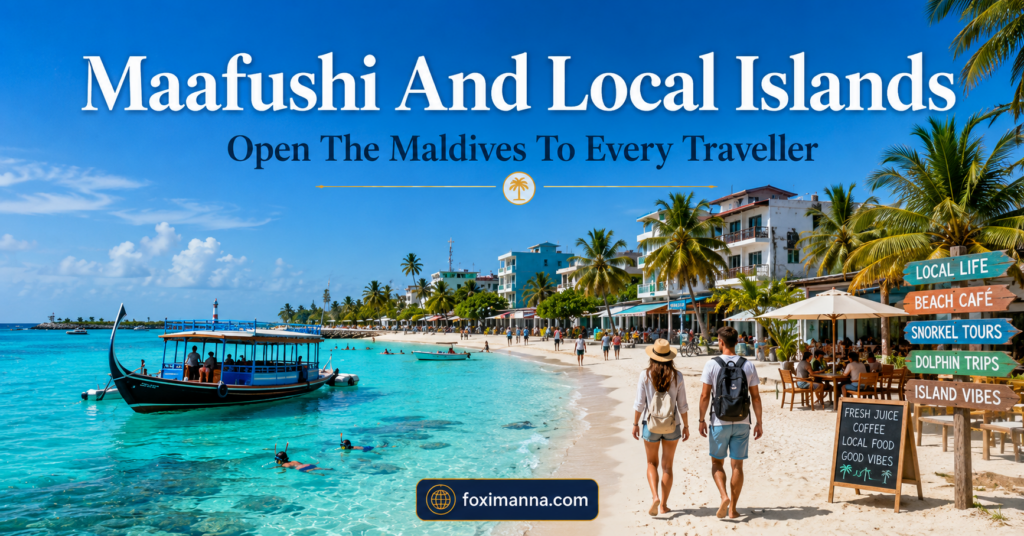
Maafushi is one of the best examples of this change. Located in Kaafu Atoll, not far from Malé, Maafushi has become one of the most popular local islands for travellers who want an affordable and authentic Maldives experience.
Before guesthouses were allowed on inhabited islands, many budget travellers assumed the Maldives was out of reach. The destination was seen as a place only for wealthy honeymooners or luxury holidaymakers. Maafushi helped change that image. Today, visitors can stay in comfortable guesthouses, eat in local restaurants, book excursions and enjoy beautiful beaches without paying resort prices.
The atmosphere on Maafushi is very different from a private island. It feels more lived in. There are local shops, cafés, schools, mosques, family homes and small businesses. Children play outside, fishermen return with their catch and visitors share the island with the local community.
This is one of the great advantages of visiting a local island. It allows travellers to see Maldivian life more closely. Instead of being surrounded only by resort staff and other tourists, visitors can observe how people actually live on an inhabited island.
Maafushi is also a strong base for activities. Snorkelling trips, sandbank visits, dolphin watching, manta ray excursions and turtle spotting tours are widely available. Traditional dhoni boats take travellers out into clear waters where coral gardens and marine life are often close by.
The island also offers a good introduction to Maldivian food. One of the most traditional dishes to try is mashuni, a mixture of tuna, grated coconut, onion and chilli, usually eaten with roshi flatbread. It is simple, fresh and full of local flavour. Fish curries, grilled seafood, coconut based dishes and tropical fruit are also common.
Because Maafushi is an inhabited island, travellers should be aware of local customs. Swimwear is usually only acceptable at designated bikini beaches, and modest clothing is expected in public areas. Alcohol is not served in local restaurants in the same way it is in resorts. These rules should not be seen as obstacles. They are part of respecting the community.
Local island tourism can be more meaningful than staying only at a resort. Money spent in guesthouses, cafés and local tour companies often supports families and small businesses directly. It also helps spread the benefits of tourism beyond private resort islands.
However, travellers should also think carefully about their impact. Local islands are small, and waste management, water use and reef protection are serious issues. Visitors should avoid littering, respect marine life, use reef safe sunscreen where possible and choose responsible operators.
Maafushi is not the only local island worth visiting, but it is one of the easiest and most accessible. It offers a good balance of convenience, beauty, affordability and culture. For first time visitors who want to see the Maldives beyond luxury resorts, it is a practical choice.
The rise of local islands has changed the way people experience the Maldives. It has made the destination more accessible to solo travellers, backpackers, families and people who want beauty without extreme luxury prices. More importantly, it has helped reveal the human side of the country.
The Maldives is still famous for five star resorts, but islands like Maafushi show that paradise does not always need to be private. Sometimes the most memorable moments come from a small guesthouse, a shared boat trip, a simple tuna breakfast and a conversation with someone who calls the island home.
Baa Atoll And Hanifaru Bay Reveal The Wild Ocean
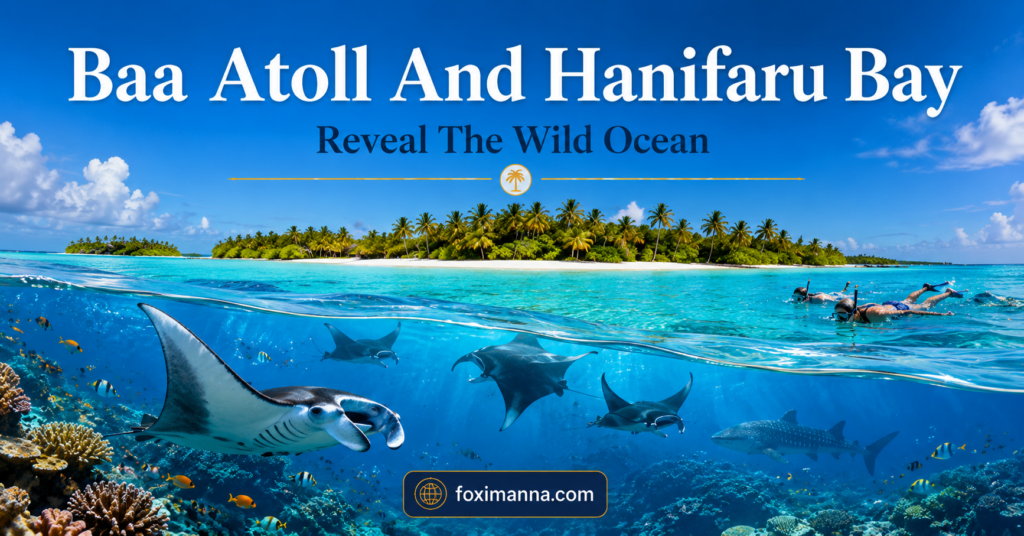
If the Maldives is famous for beaches, it should be equally famous for what lies beneath the water. The underwater world is one of the country’s greatest treasures, and few places show this better than Baa Atoll.
Baa Atoll is located northwest of Malé and is recognised for its outstanding marine biodiversity. It has been designated as a UNESCO Biosphere Reserve, which reflects its importance as a protected natural area. For travellers who love the ocean, this is one of the most exciting regions in the Maldives.
The jewel of Baa Atoll is Hanifaru Bay. This protected bay is world famous for gatherings of manta rays and whale sharks. During the right season, plankton rich currents flow into the bay, attracting large numbers of filter feeding marine animals.
The sight of manta rays gliding through the water is unforgettable. Their huge wings move with grace, almost like birds flying underwater. Sometimes many manta rays gather together, creating a natural spectacle that feels almost unreal. Whale sharks may also appear, adding to the sense of wonder.
Hanifaru Bay is especially important because it shows why protection matters. To preserve the fragile ecosystem, scuba diving is restricted, but snorkelling is allowed under controlled conditions. Visitor numbers are managed so that people can enjoy the experience without overwhelming the animals or damaging the environment.
This is the kind of place where responsible tourism becomes essential. Manta rays and whale sharks are wild animals, not entertainment props. Travellers should never chase, touch or block them. The best experiences happen when visitors remain calm, keep a respectful distance and allow the animals to move naturally.
Beyond Hanifaru Bay, Baa Atoll is home to coral reefs, turtles, dolphins, reef fish and many other marine species. The colours underwater can be astonishing, from bright corals and blue lagoons to schools of fish moving together in the sunlight.
Baa Atoll also has luxury resorts, peaceful islands and opportunities for snorkelling, diving and sailing. It is ideal for travellers who want comfort but also want to feel close to nature. Some resorts in the area place strong emphasis on conservation, marine education and sustainable practices.
For many visitors, swimming near manta rays is one of the greatest highlights of a Maldives trip. It is not just beautiful. It is humbling. It reminds travellers that the ocean is alive, complex and powerful.
The Maldives depends heavily on its marine environment. Healthy reefs support fish populations, protect islands and attract visitors. When coral reefs suffer from warming seas, pollution or careless tourism, the entire country is affected.
That is why places like Baa Atoll matter so much. They are not only tourist attractions. They are reminders of what the Maldives must protect. The natural beauty of the country is not unlimited. It requires care, rules and respect.
Travellers who visit Baa Atoll should take time to learn about the ecosystem. Understanding the role of plankton, coral, manta rays, whale sharks and reef fish makes the experience richer. It changes the trip from simple sightseeing into genuine appreciation.
The ocean in Baa Atoll is wild, but it is also fragile. That combination is what makes it so powerful. Few travel experiences compare to floating in warm clear water while a manta ray passes nearby. It is a moment that stays with you long after the holiday ends.
Addu Atoll And Fuvahmulah Show A Different Side Of The South
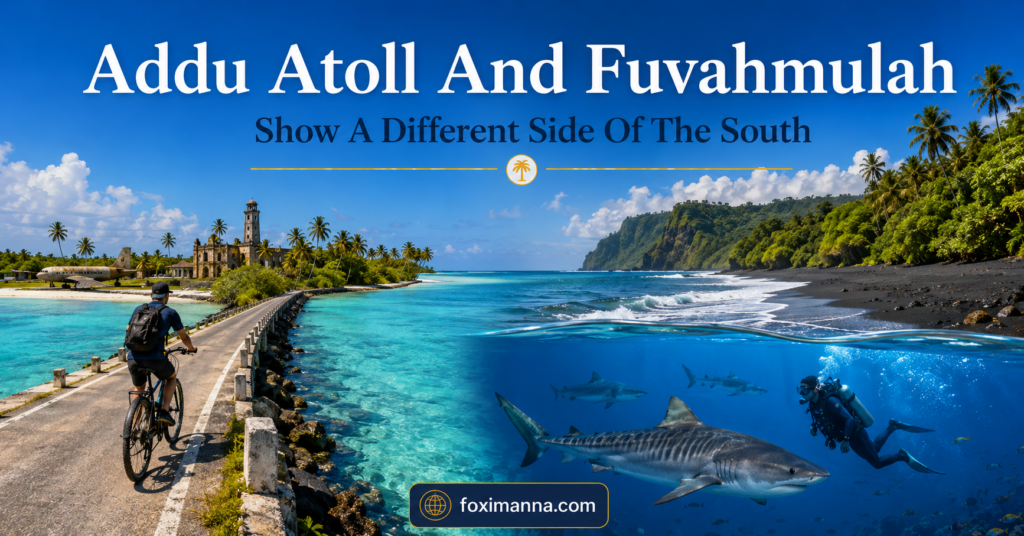
Many travellers focus on the central atolls of the Maldives, especially those close to Malé. But the southern islands reveal a different and often overlooked side of the country. Two of the most fascinating southern destinations are Addu Atoll and Fuvahmulah.
Addu Atoll lies far south of the capital and has a character that feels distinct from many other parts of the Maldives. It is known for both natural beauty and history. Unlike smaller resort islands, Addu has connected islands, roads, bridges and local communities that can be explored at a slower pace.
One of the most interesting ways to experience Addu is by bicycle. The islands are connected in a way that makes cycling possible, allowing travellers to move through villages, past coconut palms, along coastal roads and near quiet beaches. This gives the atoll a different rhythm from places where boats are the only way to move around.
Addu also has an important wartime and military history. During the British period, parts of the atoll were used as a strategic military base. Remnants of that era can still be seen in old airstrips, ruins and buildings slowly being reclaimed by nature. For travellers interested in history, this adds another layer to the island experience.
The natural environment in Addu is also impressive. The lagoons are calm and blue, reefs are less crowded than those in more tourist heavy areas and marine life can be excellent. Because the region receives fewer visitors than some central atolls, it can feel more peaceful and less commercial.
Fuvahmulah is even more unusual. It stands apart from most Maldivian islands because of its volcanic origin and unique landscape. While many islands are coral based and low lying, Fuvahmulah has features that make it feel different from the classic Maldives image.
The island is known for freshwater lakes, lush vegetation and black sand beaches formed by volcanic rock and coral fragments. These darker beaches create a striking contrast with the white sand usually associated with the Maldives. For travellers who think they already know what the country looks like, Fuvahmulah can be a surprise.
One of the island’s biggest attractions is diving with tiger sharks. The deep waters around Fuvahmulah are known for regular sightings of large marine predators, making it one of the world’s most exciting destinations for experienced divers. This is not the gentle postcard side of the Maldives. It is wild, dramatic and thrilling.
Of course, tiger shark diving is not for everyone. It requires proper guidance, safety procedures and respect for powerful wild animals. But for qualified divers seeking something extraordinary, Fuvahmulah offers an experience that few places can match.
The island’s biodiversity also makes it special. Its lakes and vegetation support plant and animal life that differs from other parts of the country. This gives Fuvahmulah a feeling of depth and variety beyond beaches alone.
The southern Maldives is ideal for travellers who want to go beyond the most famous resort routes. Addu and Fuvahmulah show that the country has regional differences, historical complexity and natural variety. They also prove that the Maldives is not just one repeated image of blue water and white sand.
These islands are especially rewarding for curious travellers. They appeal to people who like history, local life, cycling, unusual landscapes, diving and quiet exploration. While they may require more planning than a simple resort stay, they offer a more distinctive view of the country.
The south reminds us that the Maldives has hidden corners still waiting to be better understood. It is a region where old military history, island communities, volcanic landscapes and powerful marine life come together. For adventurous travellers, that combination can be unforgettable.
Dhigurah Sun Island Vaadhoo And Mirihi Capture The Dream
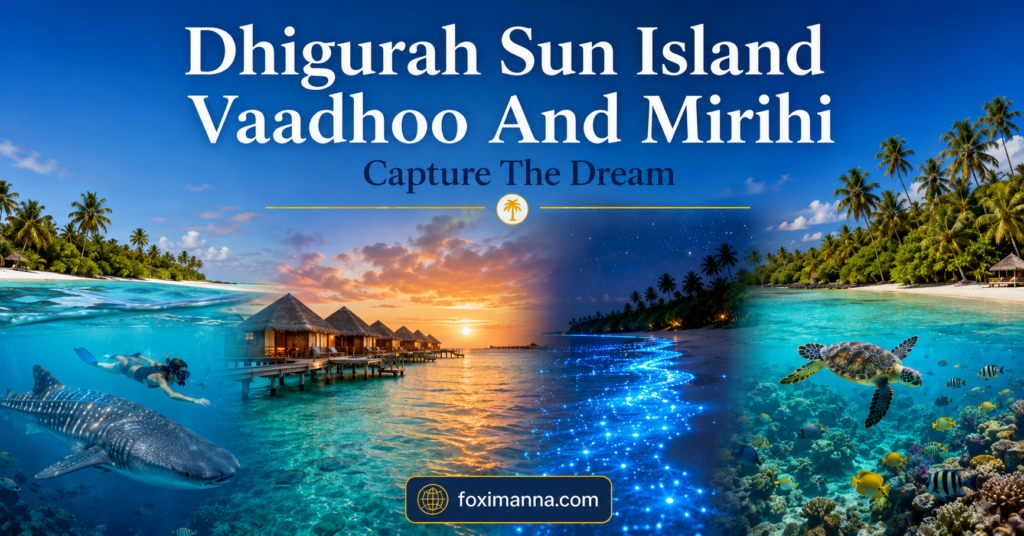
Some places in the Maldives feel as though they were designed from a traveller’s imagination. Dhigurah, Sun Island, Vaadhoo and Mirihi each capture a different version of the Maldivian dream.
Dhigurah is located in South Ari Atoll and is especially famous for whale shark encounters. The island is long, narrow and peaceful, with a beautiful beach stretching along its coastline. It is one of the best places in the Maldives for travellers hoping to swim near the largest fish in the world.
Whale sharks are gentle giants. Despite their enormous size, they feed mainly on plankton and small marine organisms. Seeing one move slowly through clear water is one of the most breathtaking experiences the ocean can offer.
Dhigurah is popular because whale shark sightings are relatively frequent in the surrounding waters. Snorkelling trips give visitors the chance to see these animals without needing advanced diving skills. However, responsible behaviour is essential. Boats and swimmers must avoid crowding the animals, and travellers should follow the guidance of local operators.
The island also offers a peaceful local atmosphere with guesthouses, small restaurants and fresh seafood. It is a good choice for travellers who want marine adventure without losing the charm of a quieter inhabited island.
Sun Island, also in South Ari Atoll, represents the classic luxury side of the Maldives. This is where visitors find overwater bungalows, private terraces, spa treatments, romantic dinners and endless views of turquoise lagoons. For many people, this is the image they have dreamed of for years.
The appeal of Sun Island lies in comfort and scenery. Waking up above the water, stepping from a villa into the lagoon, watching sunset from a private deck and dining by the sea all create a feeling of escape. It is the kind of place designed for relaxation, romance and indulgence.
But luxury in the Maldives is not only about rooms and service. It is also about access to nature. Snorkelling, kayaking, stand up paddle boarding and reef diving allow guests to experience the surrounding ocean directly. The best resorts understand that the sea is the main attraction.
Vaadhoo Island offers something completely different. It is known for the famous glowing beach effect, often called the sea of stars. At night, bioluminescent plankton can light up the shoreline with blue sparks when the water is disturbed.
This natural phenomenon creates one of the most magical sights in the Maldives. Waves shimmer, footprints may glow and the sea can appear as though it is reflecting the night sky. The effect depends on conditions, so it is never guaranteed, but when it happens, it is unforgettable.
Vaadhoo is ideal for travellers who love unusual natural experiences. It is quieter than many famous resort destinations and appeals to those who want mystery, beauty and calm.
Mirihi, meanwhile, is a small island focused on peaceful luxury. It is tiny, quiet and intimate, known for elegant simplicity rather than large scale glamour. The island’s appeal is seclusion. It is the kind of place where travellers go to disconnect, slow down and listen to the sound of the sea.
The reefs around Mirihi are a major highlight. Guests can snorkel close to shore and see colourful fish, turtles and coral life without long boat journeys. This easy access to the underwater world makes the island especially attractive for nature lovers.
Together, Dhigurah, Sun Island, Vaadhoo and Mirihi show four different sides of the Maldives. Dhigurah offers whale sharks and local island charm. Sun Island offers classic luxury. Vaadhoo offers glowing nighttime magic. Mirihi offers peace and exclusivity.
Choosing between them depends on the traveller. Some people want adventure. Others want romance. Some want local culture. Others want quiet beauty. The Maldives is special because it can offer all of these experiences across different islands.
The dream of the Maldives is not one single thing. It can be a whale shark gliding below you, a glowing wave at midnight, a candlelit dinner on the sand or a silent morning on a tiny island. The best trip is the one that matches your own idea of paradise.
Food Culture Sustainability And Travel Tips For A Better Maldives Journey
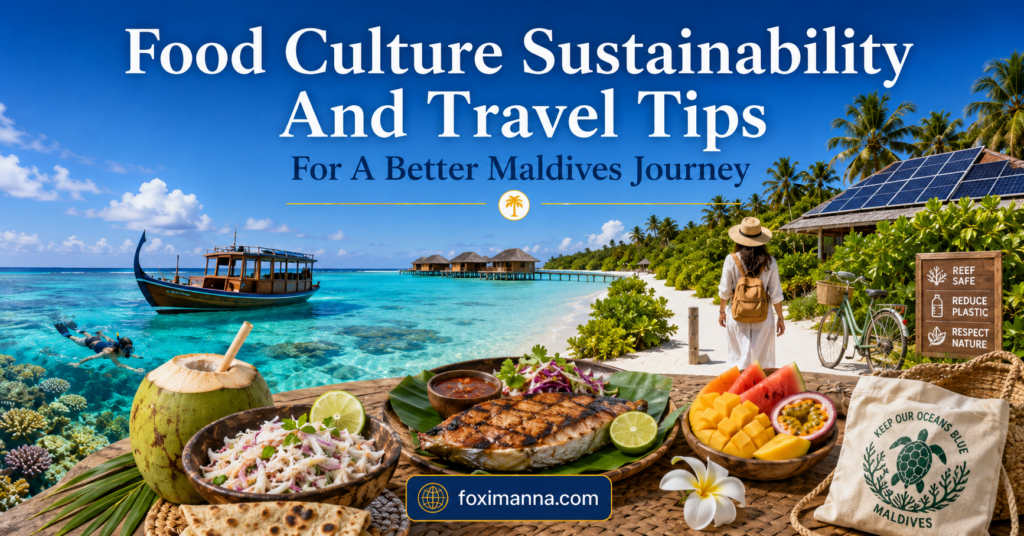
A journey to the Maldives becomes richer when travellers look beyond beaches and resorts. Food, culture, sustainability and responsible planning all shape the experience.
Maldivian food is deeply connected to the sea. Tuna is one of the most important ingredients and appears in many traditional dishes. Coconut is also central, along with chilli, onion, lime and flatbread. These flavours reflect the country’s island lifestyle and historic trade connections with South Asia, the Middle East and the wider Indian Ocean.
Mashuni is one of the most popular traditional breakfasts. It is usually made with tuna, grated coconut, onion and chilli, then eaten with roshi. It is simple but full of flavour. Fish curry, grilled reef fish, lobster, dried tuna, coconut based dishes and tropical fruit are also common.
Eating local food is one of the easiest ways to connect with Maldivian culture. Resort dining can be excellent, but local island restaurants and cafés often provide a more authentic taste of everyday life. Trying traditional meals also supports smaller businesses and helps travellers move beyond international hotel menus.
Culture in the Maldives is shaped by Islam, the ocean and centuries of trade. Travellers should respect local customs, especially on inhabited islands. Modest clothing is important away from resort beaches. Public displays of behaviour that may be normal elsewhere can be inappropriate in local communities. During Ramadan, visitors should be especially thoughtful around fasting hours and public eating in local areas.
Resort islands operate differently from inhabited islands, and this can sometimes confuse visitors. Resorts are designed for international tourism and usually have more relaxed rules around swimwear and alcohol. Local islands follow community standards. Understanding this difference helps avoid awkward situations and shows respect.
Sustainability is one of the most important issues in the Maldives. The country is beautiful because of its environment, but that environment is fragile. Coral reefs can be damaged by warming seas, careless snorkelling, pollution and boat activity. Islands face challenges with waste, freshwater supply and coastal erosion.
Travellers can make better choices by avoiding single use plastics where possible, choosing responsible tour operators, not touching coral, not feeding fish and never chasing marine animals. Sunscreen choice also matters, especially in reef areas. Using reef friendly products can reduce harm to the underwater ecosystem.
Water use is another issue. Freshwater is limited on small islands, and resorts often rely on desalination. Visitors should enjoy their holiday, but simple habits such as reusing towels and avoiding unnecessary waste can help reduce pressure.
When choosing accommodation, it is worth looking at sustainability practices. Some resorts and guesthouses invest in solar energy, marine conservation, waste reduction and local employment. These efforts are not all equal, so travellers should read carefully rather than relying only on marketing language.
The best time to visit the Maldives depends on what travellers want. The dry season is often the most popular for clear skies and calm seas, while different marine experiences may be better during specific months. Manta ray and whale shark sightings can depend on atoll, season and plankton movement. Anyone travelling for a specific wildlife experience should research the best timing before booking.
Transport is also an important part of planning. Some islands are reached by speedboat, while others require domestic flights or seaplanes. Seaplane transfers can be scenic but expensive and usually operate during daylight hours. Local ferries are cheaper but slower and may not run every day. Understanding transfer options before booking accommodation can prevent problems.
The Maldives is suitable for different budgets, but costs vary greatly. A private island resort with overwater villas can be expensive, while local island guesthouses offer a much more affordable route. Travellers should compare not just room prices but also meals, transfers, excursions, taxes and service charges.
For families, the Maldives can be wonderful, especially resorts with child friendly facilities and calm lagoons. For couples, it remains one of the world’s great romantic destinations. For solo travellers, local islands and diving communities can offer a more social and affordable experience. For adventure seekers, places like Fuvahmulah, Dhigurah and Baa Atoll provide unforgettable marine encounters.
The most important travel tip is to choose the right island for your style. Not every Maldives island offers the same experience. Some are luxurious and private. Some are local and affordable. Some are best for diving. Some are ideal for quiet relaxation. Some are better connected, while others feel remote.
The Maldives stays in the mind because it combines beauty with emotion. It is easy to remember the colour of the water, but what lasts even longer are the moments. A manta ray passing below you. A fisherman returning at sunset. A glowing wave touching the shore. A quiet breakfast of tuna and coconut. A bicycle ride through a southern island. A call to prayer drifting through the streets of Malé. A sky full of stars above a dark ocean.
This is why the Maldives is more than a luxury escape. It is a country of water, faith, resilience, wildlife and wonder. It can offer dreamlike comfort, but it can also teach travellers about fragility, adaptation and respect.
To visit the Maldives well is to enjoy its beauty while understanding its reality. The beaches may look perfect, but they belong to a living nation facing real challenges. The reefs may look endless, but they need protection. The islands may feel timeless, but they are changing.
For travellers who arrive with curiosity and respect, the Maldives offers one of the most unforgettable journeys on Earth. It is a place where luxury meets wild nature, where cities survive beside rising seas and where every island tells a different part of the same extraordinary story.
Disclaimer
The information provided in this article is for general informational and educational purposes only. While every effort has been made to ensure the accuracy of the information at the time of writing, travel conditions, entry requirements, opening hours, ticket prices, local regulations, and accessibility may change without notice.
Readers are encouraged to verify all travel information with official tourism boards, government agencies, airlines, accommodation providers, and local authorities before making travel plans or bookings.
The destinations featured in this article are based on their historical, cultural, natural, and tourism significance. The opinions expressed are for informational purposes only and should not be considered professional travel, legal, health, safety, or financial advice.
FoxiManna.com and its authors are not responsible for any losses, injuries, inconveniences, travel disruptions, or damages that may result from the use of information contained in this article. Travelers are responsible for conducting their own research and making informed decisions based on their individual circumstances.
By using this website and reading this article, you agree that any reliance on the information provided is at your own risk.