
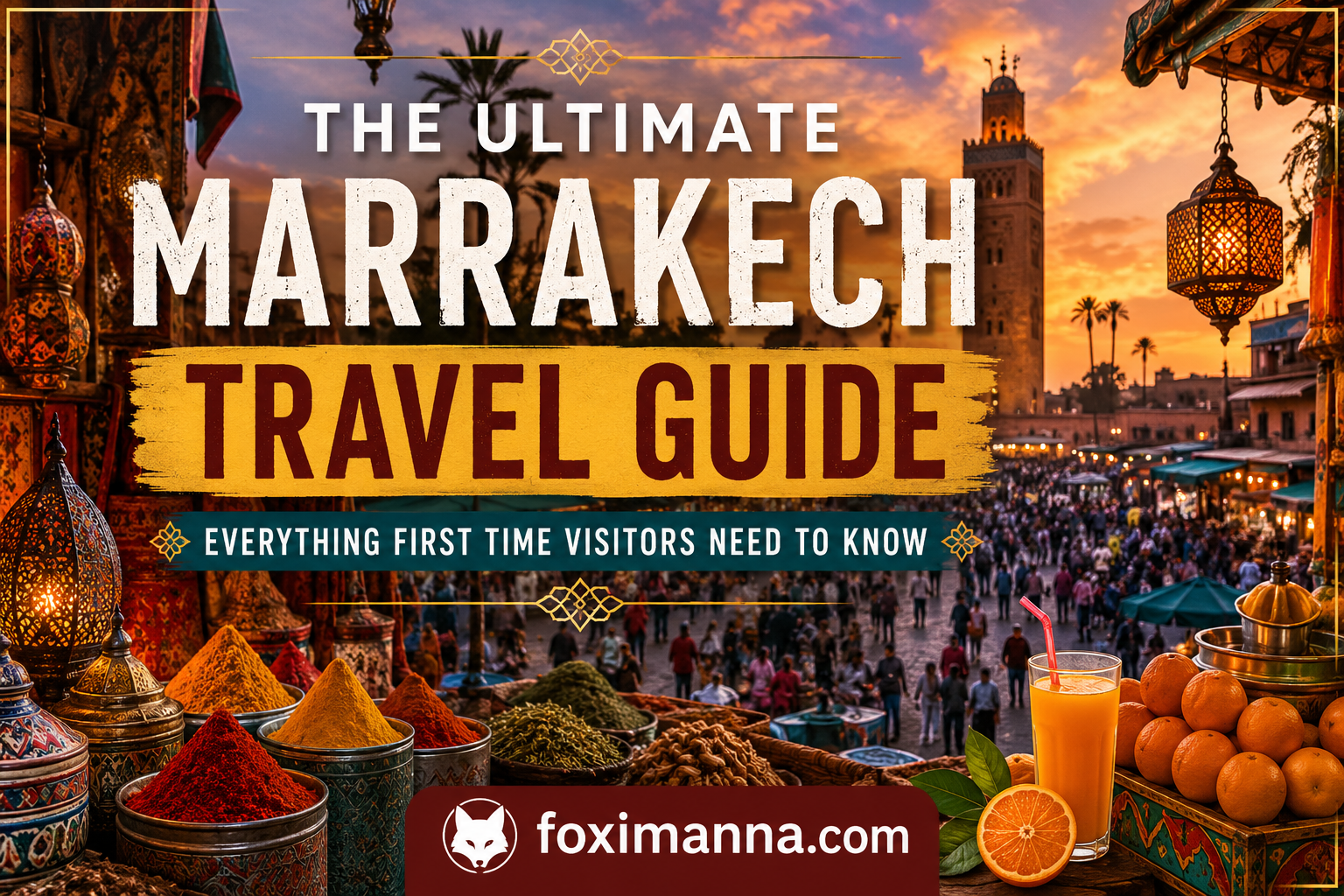
Marrakech is one of the most fascinating cities in the world. A place where ancient traditions meet modern tourism, where camel caravans once crossed desert trade routes, and where bustling markets still operate much as they did centuries ago. Often called the Red City because of its distinctive reddish walls and buildings, Marrakech is a sensory adventure unlike anywhere else on Earth.
For many travellers, Marrakech serves as their first introduction to Morocco. The city combines magnificent palaces, historic mosques, colourful souks, traditional riads, delicious food, and vibrant public squares into an unforgettable travel experience.
Yet Marrakech can also feel overwhelming. The busy streets, constant bargaining, motorbikes weaving through narrow alleys, and energetic atmosphere can surprise first time visitors. Understanding how the city works before arriving can transform your trip from stressful to extraordinary.
This complete travel guide will help you discover Marrakech confidently, avoid common mistakes, enjoy authentic experiences, and uncover the best attractions this incredible Moroccan city has to offer.
Understanding Marrakech And Its Remarkable History
Before exploring Marrakech, it helps to understand why this city occupies such an important place in Moroccan culture and history.
Founded in 1070, Marrakech quickly became one of Morocco’s most influential cities. It served as the capital of powerful dynasties and developed into a major trading centre connecting North Africa, Sub-Saharan Africa, Europe, and the Middle East.
Its strategic location made it the gateway between the Sahara Desert and Morocco’s Atlantic coast. Merchants carrying gold, spices, textiles, and other valuable goods would stop here before continuing their journeys northward.
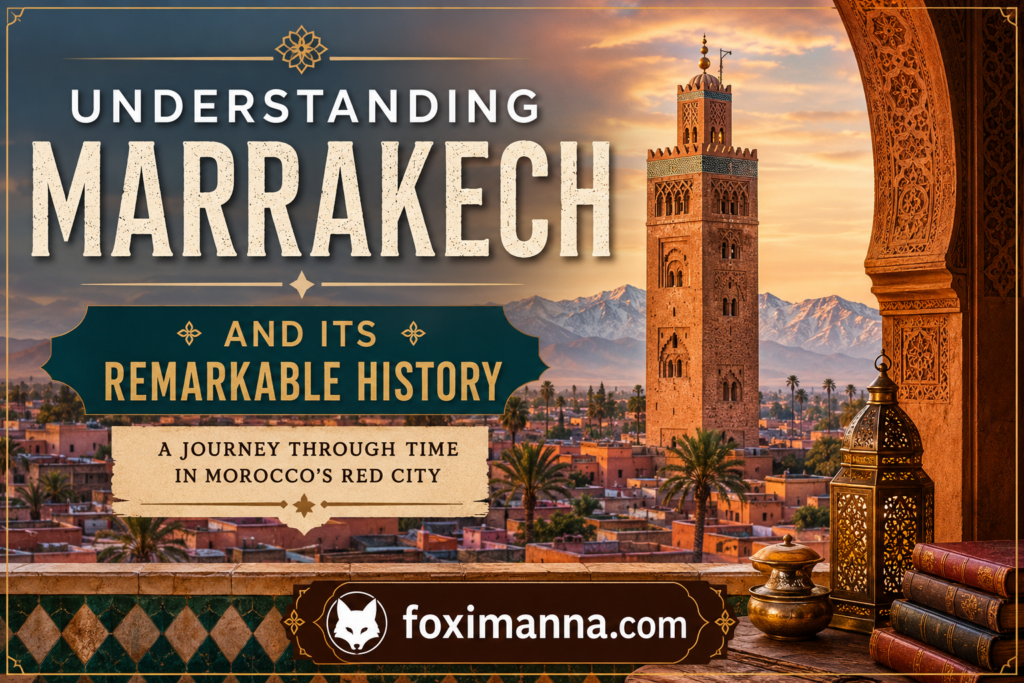
One of the city’s most iconic landmarks is the magnificent Koutoubia Mosque. Its impressive minaret dominates the skyline and has served as a symbol of Marrakech for centuries. Completed during the 12th century, it remains one of the finest examples of Almohad architecture.
Marrakech is also unique because it represents a blend of cultures. Arab traditions, Amazigh (Berber) heritage, Jewish influences, African trade connections, and European interactions have all shaped the city’s identity.
Walking through Marrakech today feels like stepping into a living museum where centuries of history remain visible in every alleyway, courtyard, and marketplace.
The city consists of two distinct areas. The ancient Medina forms the historic heart of Marrakech, while modern districts such as Guéliz provide a more contemporary urban experience. Together, they create a fascinating contrast between old and new Morocco.
Getting Around Marrakech Like A Local
Transportation in Marrakech is straightforward once you understand the available options.
The city is highly walkable, particularly within the Medina. Many of the most famous attractions are located close together, making walking the best way to explore.
However, navigating Marrakech requires awareness. Streets are busy with pedestrians, bicycles, motorbikes, donkey carts, and cars. Visitors should remain alert and move confidently through traffic.
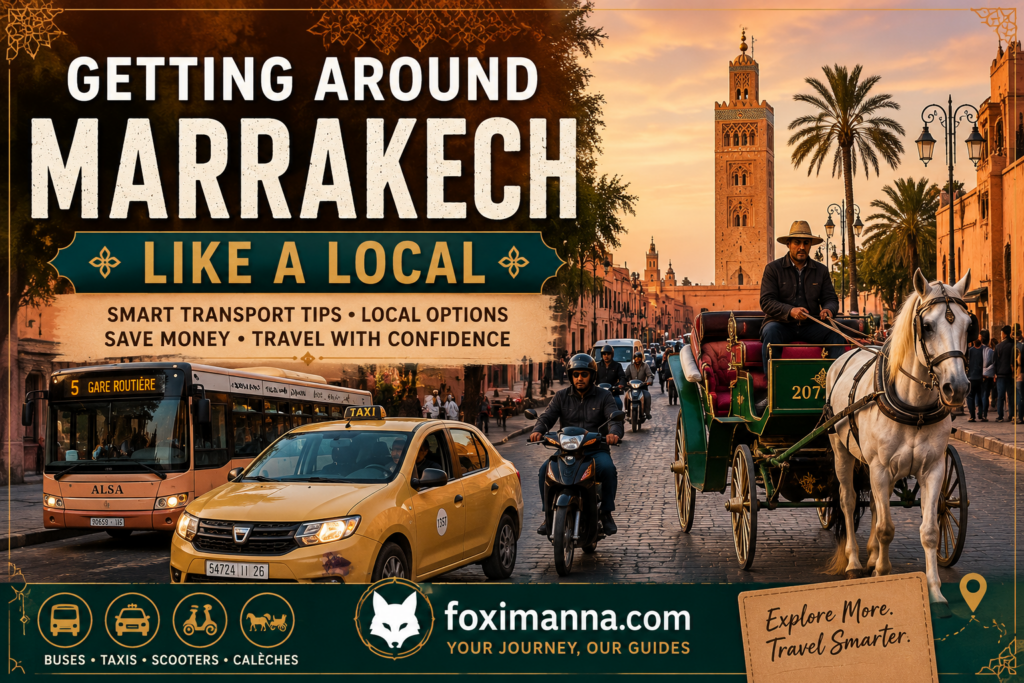
Public buses offer the cheapest transportation option. They connect various parts of the city and cost very little compared to European or North American standards.
Taxis are widely available and remain one of the most convenient ways to travel longer distances. Before entering a taxi, always confirm the fare or ensure the meter is running.
Negotiation is common in Marrakech. Drivers often quote higher prices to tourists, so being polite but firm can save money.
Many travellers prefer ride-hailing applications that provide greater pricing transparency. These services can be useful when travelling between the Medina, Guéliz, and other districts.
For airport transfers, arranging transportation through your accommodation can remove much of the stress associated with arrival.
Crossing streets may initially seem intimidating. Traffic flows constantly, often from multiple directions simultaneously. The key is to move steadily and confidently rather than hesitating halfway across.
Horse-drawn carriages also operate throughout the city. While they offer a traditional experience, they are generally more expensive than other forms of transportation.
Understanding these transportation options allows visitors to explore Marrakech efficiently while avoiding unnecessary costs.
Exploring The Medina And Jemaa El Fnaa
No visit to Marrakech is complete without spending significant time in the Medina.
The Medina represents the historic heart of the city. Its maze-like network of narrow alleys contains markets, workshops, homes, restaurants, mosques, and hidden courtyards waiting to be discovered.
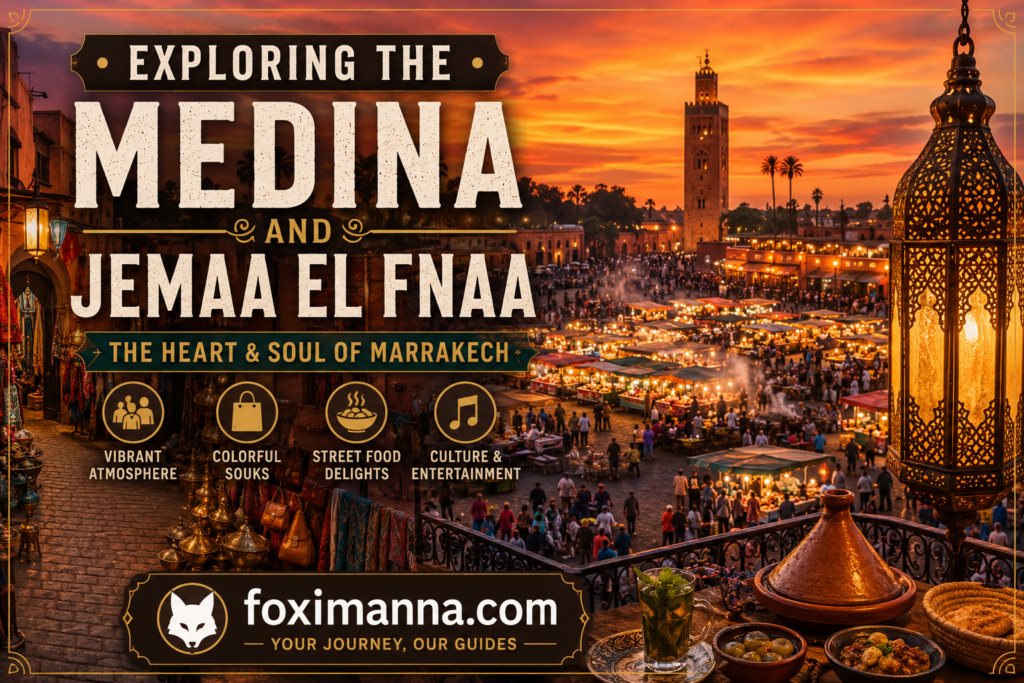
At the centre lies the legendary Jemaa el-Fnaa, one of Africa’s most famous public squares.
During daylight hours, the square is filled with performers, traders, juice vendors, musicians, storytellers, and visitors from around the world.
As evening approaches, the atmosphere changes dramatically. Food stalls appear, crowds increase, music fills the air, and the square transforms into one of the world’s most vibrant outdoor dining experiences.
While Jemaa el-Fnaa is fascinating, visitors should understand a few practical realities.
Photographs of performers often require payment. Snake charmers, entertainers, and other performers may request money if they appear in your pictures.
Visitors should also be cautious when interacting with animals. Ethical concerns surround some animal attractions, and many travellers choose to admire from a distance.
The square can become crowded, making it important to keep personal belongings secure. Like many major tourist destinations, pickpocketing occasionally occurs.
Beyond the square lies the sprawling souk network. These traditional markets offer everything from carpets and leather goods to spices, ceramics, lamps, jewellery, and textiles.
Getting lost is almost guaranteed, but it is part of the experience.
Some of the most memorable moments in Marrakech occur when wandering through quiet side streets away from the main tourist routes. Here, visitors glimpse everyday life as local residents shop, work, and socialise.
The Medina rewards curiosity and patience. Every turn reveals something unexpected.
Shopping, Bargaining And Understanding Prices

Shopping forms a major part of the Marrakech experience.
The city’s markets are famous worldwide for their craftsmanship and variety. Visitors can purchase handmade leather products, traditional clothing, carpets, lanterns, pottery, spices, argan oil products, and countless souvenirs.
However, shopping in Marrakech differs significantly from shopping in Western countries.
Bargaining is expected.
Initial prices are often set higher than the final amount sellers expect to receive. Negotiation should be viewed as a friendly cultural exchange rather than a confrontation.
The key to successful bargaining is remaining respectful, smiling, and being willing to walk away if necessary.
Many experienced travellers begin negotiations well below the asking price before gradually reaching a mutually acceptable amount.
The Moroccan Dirham is the local currency. Understanding approximate exchange rates helps visitors evaluate prices more effectively.
Compared with many Western destinations, Marrakech remains relatively affordable. Meals, transportation, accommodation, and shopping can offer excellent value.
However, tourism has created a dual economy in parts of the city. Prices aimed at international visitors are often considerably higher than those paid by locals.
This does not necessarily mean visitors are being cheated. Rather, tourism supports thousands of livelihoods throughout Marrakech.
Those seeking fixed prices may prefer artisan cooperatives and government-supported craft centres. These establishments typically offer transparent pricing without negotiation.
Whether bargaining in a bustling souk or purchasing from a cooperative, shopping in Marrakech provides an opportunity to support local artisans while bringing home meaningful reminders of your journey.
Discovering The Flavours Of Moroccan Cuisine

Food is one of the greatest reasons to visit Marrakech.
Moroccan cuisine combines Arab, Amazigh, Mediterranean, and African influences into a unique culinary tradition renowned around the world.
One of the most iconic dishes is the tagine. Named after the clay cooking vessel in which it is prepared, tagine typically combines meat, vegetables, spices, fruits, and herbs in slow-cooked perfection.
Chicken with preserved lemons and olives remains one of the most popular varieties.
Lamb with prunes, almonds, and spices offers another classic combination.
Marrakech also boasts its own speciality known as tangia. This traditional dish involves slow-cooking meat in clay pots for many hours, producing incredibly tender and flavourful results.
Street food plays an important role in the city’s culinary culture.
Visitors can sample grilled meats, kebabs, sandwiches, soups, pastries, fresh fruit, and local snacks throughout the Medina.
Freshly squeezed orange juice is particularly popular and provides a refreshing break from the Moroccan heat.
For adventurous eaters, Marrakech offers opportunities to try more unusual dishes, including traditional snail soup prepared with aromatic spices.
Moroccan mint tea deserves special mention. Often referred to as Moroccan whisky, this sweet tea accompanies conversations, business negotiations, family gatherings, and everyday hospitality.
Enjoying tea on a rooftop terrace overlooking the Medina ranks among Marrakech’s most memorable experiences.
While restaurants around Jemaa el-Fnaa attract many visitors, excellent dining opportunities exist throughout the city.
Many experienced travellers prefer dining in Guéliz, where restaurants often cater to both locals and international visitors, resulting in consistently high quality.
Whether dining in a luxury riad or enjoying street food in a bustling market, Marrakech delivers unforgettable culinary experiences.
The Best Attractions And Experiences In Marrakech
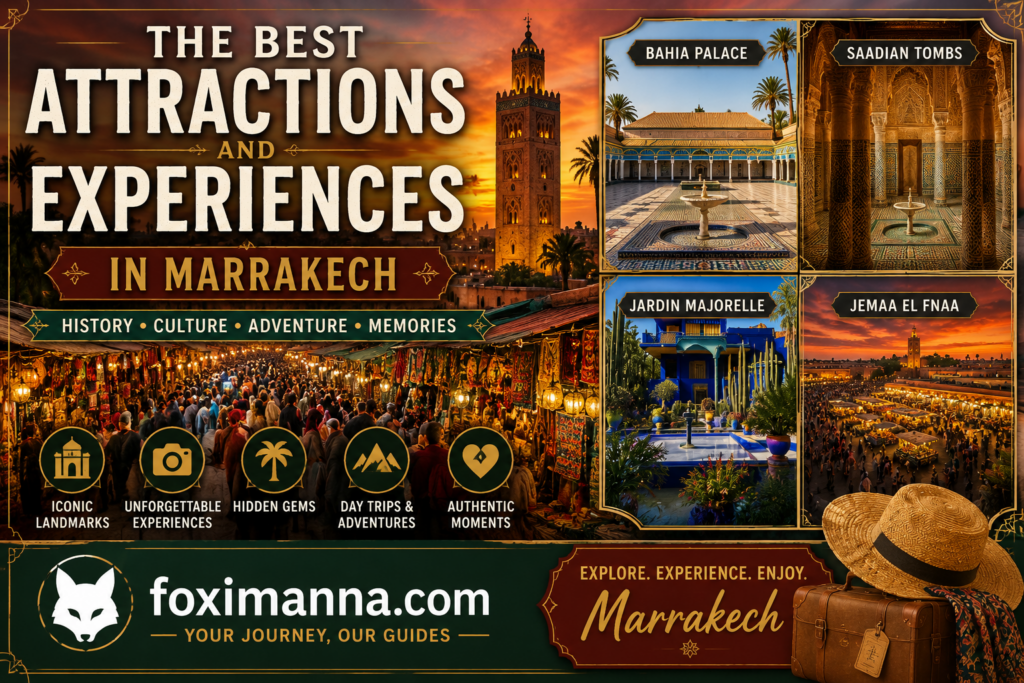
Marrakech offers far more than markets and food.
The city contains numerous historic sites, museums, gardens, and cultural attractions worth exploring.
Among the most popular is Bahia Palace. This magnificent palace showcases intricate Moroccan architecture, stunning courtyards, carved woodwork, colourful tiles, and elegant gardens.
Nearby, visitors can explore Saadian Tombs, one of the city’s most important historical sites.
These beautifully decorated tombs provide insight into Morocco’s royal past and feature impressive craftsmanship.
Another remarkable attraction is Jardin Majorelle.
Created by French artist Jacques Majorelle and later restored by Yves Saint Laurent, the garden combines exotic plants, vibrant colours, fountains, and artistic design.
It remains one of Marrakech’s most photographed locations.
History enthusiasts may also wish to explore the old Jewish quarter known as the Mellah, which preserves aspects of the city’s diverse cultural heritage.
The Medina itself serves as an attraction. Countless hidden riads, workshops, courtyards, mosques, and neighbourhoods reveal different aspects of Marrakech life.
Beyond the city centre, day trips to the Atlas Mountains provide opportunities for hiking, village visits, and spectacular scenery.
Excursions into the desert also rank among Morocco’s most popular travel experiences.
Many visitors discover that some of their favourite moments occur unexpectedly while wandering through quiet alleys, sipping tea in hidden courtyards, or watching daily life unfold around them.
Essential Travel Tips For A Safe And Enjoyable Marrakech Experience

A few practical tips can significantly improve your Marrakech experience.
First, embrace the city’s energy rather than resisting it. Marrakech can feel intense, particularly for first-time visitors. Understanding that this energy forms part of its character helps travellers enjoy the experience more fully.
Dress respectfully. Morocco is generally tolerant and welcoming, but modest clothing demonstrates cultural sensitivity and helps visitors feel more comfortable.
Stay hydrated, especially during warmer months. Temperatures can rise significantly, making water essential throughout the day.
Keep valuables secure. Use bags that close properly and remain aware of your surroundings in crowded areas.
Learn a few basic phrases in French or Arabic. Even simple greetings often create positive interactions with local residents.
Be prepared to say no politely but firmly. Vendors, guides, and service providers may approach frequently, particularly in tourist areas.
Research accommodation carefully. Staying in a traditional riad offers a uniquely Moroccan experience, while hotels in Guéliz provide greater familiarity and convenience.
Use common sense when accepting assistance from strangers. Many locals are genuinely helpful, but unsolicited guidance may sometimes lead to requests for payment.
Most importantly, allow time to slow down.
Marrakech rewards travellers who pause for tea, watch daily life unfold, explore side streets, and appreciate the city’s rhythms rather than rushing from attraction to attraction.
The true magic of Marrakech often emerges in these quieter moments.
Why Marrakech Captivates Travellers From Around The World
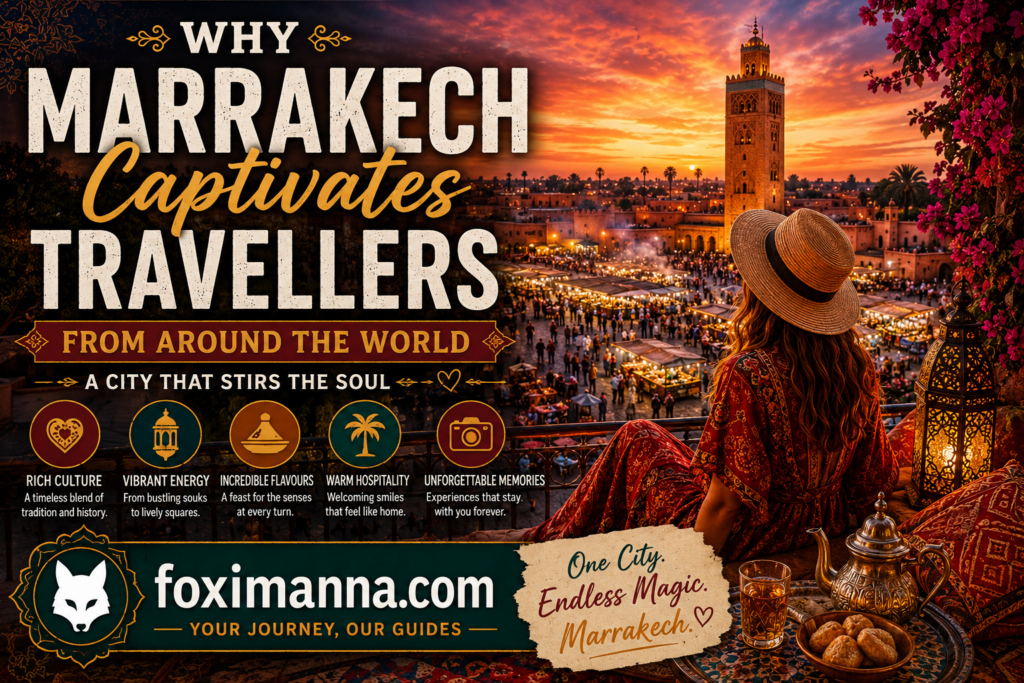
Marrakech is not a city that leaves visitors indifferent.
Some people fall in love with its colours, aromas, architecture, and energy immediately. Others need time to adjust before appreciating its unique charm.
What makes Marrakech special is its authenticity. Despite millions of visitors each year, the city retains a strong cultural identity shaped by centuries of history.
Ancient traditions continue alongside modern life.
Markets remain active trading centres.
Families still gather around traditional meals.
Artisans continue producing handmade goods using techniques passed down through generations.
The city’s architecture, food, music, and hospitality create an atmosphere unlike anywhere else in the world.
Whether you spend three days or three weeks here, Marrakech offers endless opportunities for discovery.
From the bustling excitement of Jemaa el-Fnaa to the peaceful courtyards hidden behind unassuming doors, every experience contributes to the story of this remarkable destination.
For travellers seeking history, culture, food, adventure, and unforgettable memories, Marrakech delivers all of these in abundance.
Visit with an open mind, embrace the unexpected, and allow yourself to be swept away by the magic of Morocco’s legendary Red City.
Disclaimer
The information provided in this article is for general informational and educational purposes only. While every effort has been made to ensure the accuracy of the information at the time of writing, travel conditions, entry requirements, opening hours, ticket prices, local regulations, and accessibility may change without notice.
Readers are encouraged to verify all travel information with official tourism boards, government agencies, airlines, accommodation providers, and local authorities before making travel plans or bookings.
The destinations featured in this article are based on their historical, cultural, natural, and tourism significance. The opinions expressed are for informational purposes only and should not be considered professional travel, legal, health, safety, or financial advice.
FoxiManna.com and its authors are not responsible for any losses, injuries, inconveniences, travel disruptions, or damages that may result from the use of information contained in this article. Travelers are responsible for conducting their own research and making informed decisions based on their individual circumstances.
By using this website and reading this article, you agree that any reliance on the information provided is at your own risk.