
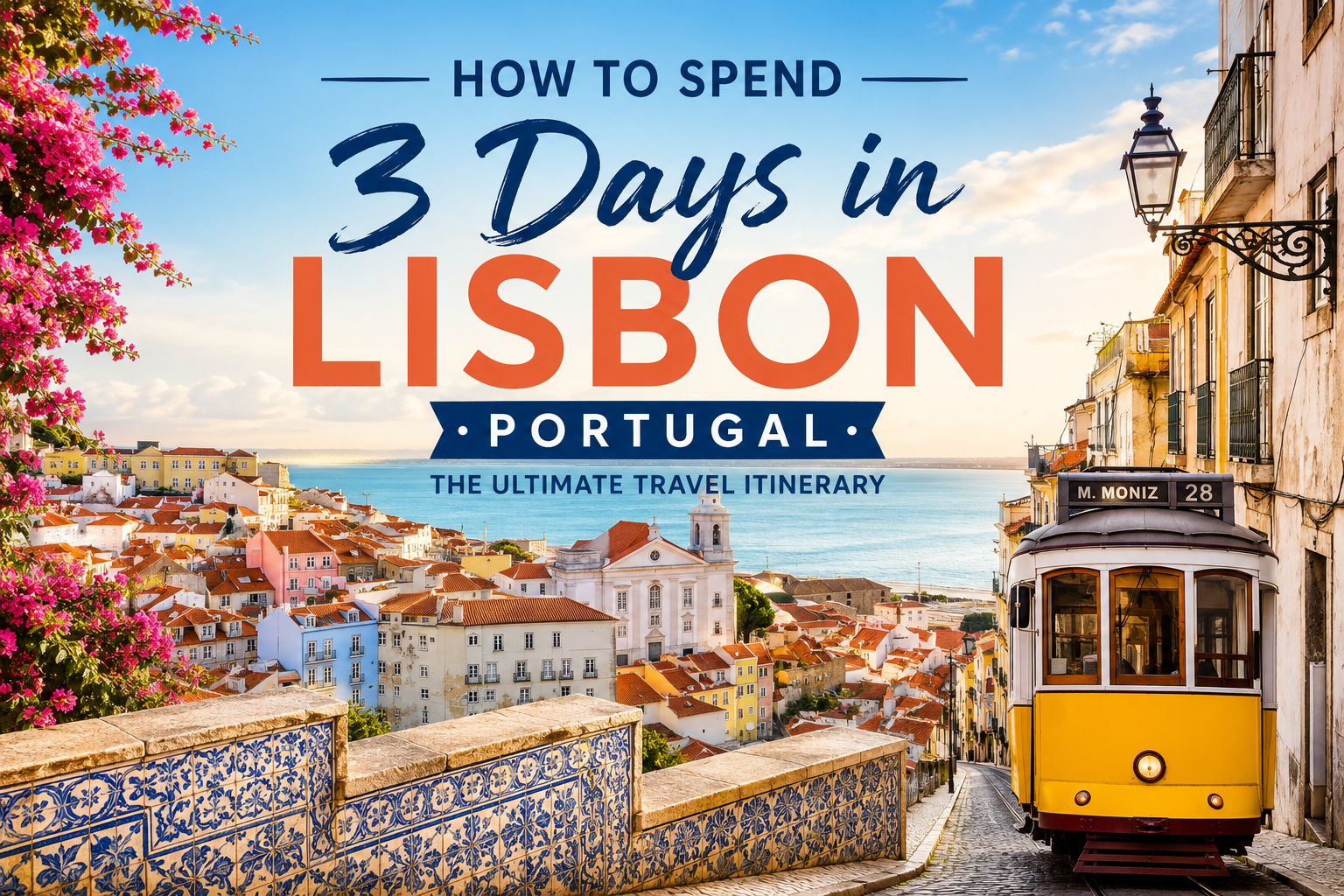
Lisbon is one of Europe’s most captivating capitals. Built across seven hills overlooking the Tagus River, Portugal’s largest city combines centuries of history with vibrant modern culture. Colorful trams climb steep cobbled streets, traditional Fado music echoes through ancient neighborhoods, and spectacular viewpoints reveal breathtaking panoramas around every corner.
Whether you are visiting for a long weekend or including Lisbon as part of a wider Portuguese adventure, three days is enough time to experience the city’s highlights while still uncovering some of its hidden treasures. From exploring the historic streets of Alfama and admiring the magnificent monuments of Belém to discovering fairy tale palaces in nearby Sintra, Lisbon offers an unforgettable blend of history, culture, cuisine, and scenery.
This guide will help you make the most of every moment in Portugal’s enchanting capital.
Planning Your Lisbon Adventure

Before diving into the itinerary, it is worth understanding when to visit Lisbon and how to prepare for your trip.
Lisbon enjoys a Mediterranean climate with warm summers and mild winters. The best times to visit are during spring, from March to May, and autumn, from September to October. During these months, temperatures are comfortable, attractions are less crowded, and the city is at its most pleasant for walking and sightseeing.
Summer brings long sunny days and a lively atmosphere. Festivals, outdoor dining, and bustling waterfronts create an exciting environment, although visitor numbers increase significantly. Winter is quieter and more affordable, making it an excellent choice for travelers seeking lower accommodation costs and fewer crowds.
Most visitors arrive through Humberto Delgado Airport, located only a few miles from the city center. Reaching central Lisbon is easy thanks to efficient public transportation options including metro services, buses, taxis, and rideshare apps.
One of the best purchases for visitors is the Lisboa Card. The card provides unlimited travel on public transportation and offers free or discounted entry to many of Lisbon’s major attractions. Combined with the city’s affordable metro, tram, and bus network, getting around Lisbon is straightforward and budget friendly.
Accommodation options vary widely. Alfama provides the most authentic atmosphere with narrow streets, historic buildings, and traditional Fado venues. Baixa and Chiado offer a more central location with elegant hotels, shopping streets, and convenient transport connections. Bairro Alto is ideal for travelers seeking nightlife, bars, and lively evening entertainment.
No matter where you stay, Lisbon’s compact nature allows easy exploration of most major attractions.
Day One Discovering Alfama And Lisbon’s Historic Soul

Your first day should be dedicated to exploring Alfama, Lisbon’s oldest and most atmospheric district.
Begin early at Miradouro de Santa Luzia. This beautiful terrace viewpoint offers one of the finest sunrise experiences in the city. As the first rays of sunlight illuminate the red rooftops and Tagus River, Lisbon reveals its magic in spectacular fashion. Arriving early allows you to enjoy the peaceful atmosphere before larger crowds arrive later in the morning.
The viewpoint itself is adorned with traditional Portuguese azulejo tiles, colorful flowers, and charming pergolas. It is the perfect introduction to Lisbon’s romantic character.
After enjoying sunrise, stop at a nearby café for breakfast. A traditional Portuguese ham and cheese toastie accompanied by fresh orange juice and strong coffee provides the perfect start to a day of exploration.
One of Lisbon’s most fascinating cultural attractions is the National Tile Museum. Portugal’s artistic identity is closely connected to azulejos, the decorative ceramic tiles that adorn churches, palaces, homes, and public buildings throughout the country.
The museum showcases centuries of tile artistry and provides fascinating insight into Portugal’s history. Among its highlights is a massive panoramic tile depiction of Lisbon before the devastating earthquake of 1755. Visitors can spend hours admiring intricate designs, religious artwork, and historical scenes.
Following your museum visit, return to Alfama and spend the afternoon wandering through its maze of winding streets.
Alfama survived the great earthquake largely intact, preserving its medieval character. Narrow alleys, hidden courtyards, colorful houses, and steep stairways create an atmosphere unlike anywhere else in Europe.
As you explore, you will encounter countless viewpoints overlooking the city and river. The famous Portas do Sol viewpoint offers particularly spectacular panoramas and excellent photo opportunities.
Alfama is also the spiritual home of Fado music. This deeply emotional musical tradition expresses themes of longing, nostalgia, and destiny. Walking through the neighborhood, you may hear singers performing from restaurants, homes, or small taverns.
For lunch, enjoy traditional Portuguese cuisine at one of Alfama’s charming restaurants. Signature dishes such as Bacalhau à Brás, made from salted cod, eggs, and potatoes, provide an authentic taste of local culinary traditions.
Continue your afternoon by visiting the Convento da Graça and its adjacent viewpoint. Perched high above the city, this location offers sweeping views across Lisbon’s rooftops and landmarks.
Another worthwhile stop is the Monastery of São Vicente de Fora. The monastery combines beautiful architecture, impressive tile work, and rooftop terraces that provide some of the city’s finest vistas. The peaceful atmosphere offers a welcome contrast to the bustling streets below.
As evening approaches, make your way to another celebrated viewpoint for sunset. Watching the sun slowly descend behind Lisbon’s hills while sipping a glass of Portuguese wine is an experience you will remember long after your trip ends.
Dinner presents an opportunity to explore Lisbon’s thriving international food scene. While Portuguese cuisine deserves much attention, Lisbon has become one of Europe’s most exciting culinary destinations, offering influences from around the world alongside local specialties.
After dinner, take a leisurely stroll through Bairro Alto. By night, this neighborhood transforms into one of Lisbon’s most vibrant entertainment districts, with bars, live music venues, and lively streets creating an energetic atmosphere.
Day Two Exploring Belém And The Waterfront
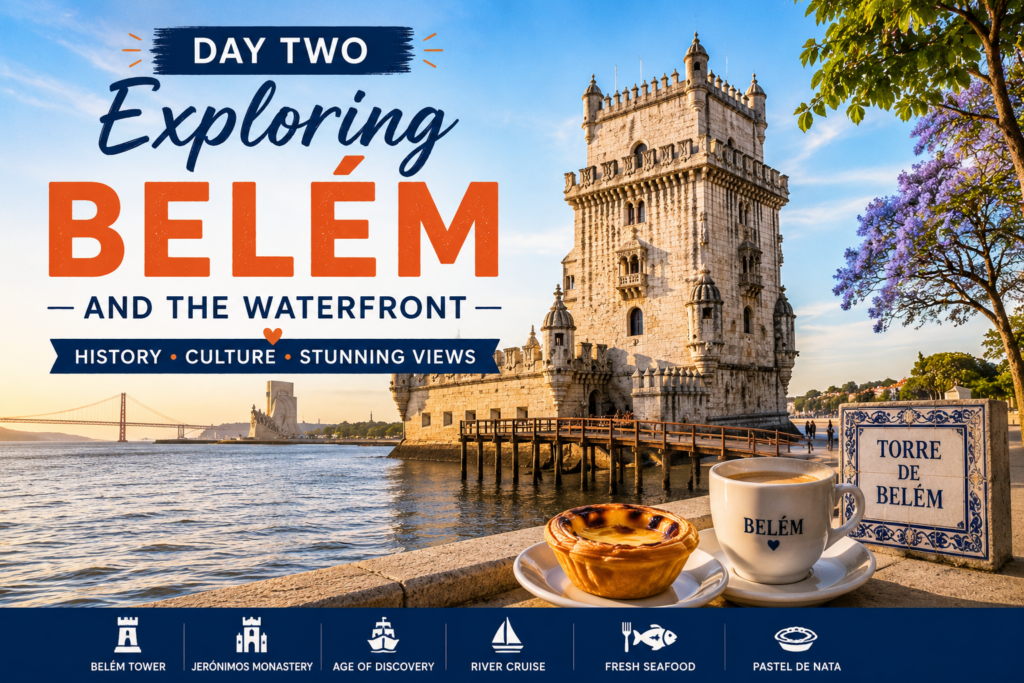
Your second day focuses on Belém, a district forever associated with Portugal’s Age of Discovery.
Begin the morning with one of Portugal’s most famous culinary creations, the pastel de nata. These delicious custard tarts are a national treasure and an essential Lisbon experience.
Served warm and often sprinkled with cinnamon, they pair perfectly with a morning coffee. Although numerous bakeries claim superiority, discovering your own favorite version becomes part of the adventure.
Belém lies west of central Lisbon along the Tagus River. During the fifteenth and sixteenth centuries, explorers such as Vasco da Gama departed from these shores on voyages that transformed world history.
The district’s most iconic landmark is Belém Tower. Constructed in the early sixteenth century, this fortified tower once guarded the entrance to Lisbon’s harbor. Today it stands as a symbol of Portugal’s maritime heritage.
Nearby stands the magnificent Jerónimos Monastery. Widely regarded as one of Portugal’s greatest architectural achievements, the monastery showcases the elaborate Manueline style characterized by intricate carvings inspired by navigation, exploration, and the sea.
Walking through its cloisters reveals extraordinary craftsmanship and provides insight into Portugal’s golden age of exploration.
Another significant attraction is the Monument to the Discoveries. This impressive riverside monument honors explorers, navigators, cartographers, and visionaries who helped establish Portugal as a global maritime power.
The riverside promenade itself is ideal for a leisurely walk. Wide pathways, scenic views, and refreshing river breezes create a relaxing environment for sightseeing.
For lunch, choose a restaurant overlooking the Tagus River. Fresh seafood features prominently on many menus, reflecting Portugal’s strong maritime traditions. Dishes such as grilled sea bass, octopus, prawns, and seafood pasta are particularly popular.
During the afternoon, consider experiencing Lisbon from a completely different perspective by taking a sailing cruise on the Tagus River.
Viewing the city from the water provides stunning perspectives of Lisbon’s skyline, historic monuments, and iconic suspension bridge. Smaller sailing vessels often create a more intimate and memorable experience than larger tourist boats.
As the boat glides across the river, landmarks such as Belém Tower, the Monument to the Discoveries, and the Cristo Rei statue become even more impressive.
A sunset cruise is especially magical. The warm evening light bathes the city in golden hues while the river reflects the changing colors of the sky.
After returning to shore, enjoy dinner at one of Lisbon’s acclaimed modern restaurants. Portugal’s contemporary culinary scene combines traditional ingredients with innovative techniques, creating memorable dining experiences that rival those found anywhere in Europe.
The evening provides an excellent opportunity to revisit favorite neighborhoods or simply relax while absorbing the atmosphere of one of Europe’s most charming capitals.
Day Three Discovering The Fairy Tale Beauty Of Sintra

No three day Lisbon itinerary would be complete without a visit to Sintra.
Located approximately thirty minutes from Lisbon, Sintra feels like stepping into another world. Dense forests, misty hills, ancient castles, and colorful palaces create a landscape that seems lifted directly from a fairy tale.
Sintra is easily accessible by train, making it one of Europe’s best day trip destinations.
Start early to maximize your time and avoid the largest crowds.
Your first stop should be the Castle of the Moors. Built during the ninth century, this hilltop fortress once served as a strategic defensive position overlooking the surrounding countryside.
Today visitors can walk along its ancient walls and towers while enjoying extraordinary panoramic views stretching across forests, mountains, and the Atlantic coastline.
The experience is often compared to walking along a miniature version of the Great Wall due to the castle’s dramatic hilltop fortifications.
The surrounding landscape contributes greatly to the castle’s appeal. Lush greenery, rocky outcrops, and distant sea views create a setting of remarkable natural beauty.
After exploring the castle, spend some time wandering through Sintra’s charming historic center.
Colorful buildings, traditional shops, and inviting cafés line narrow streets that retain much of their historic character. The town itself is a UNESCO World Heritage Site and deserves exploration beyond its famous monuments.
For lunch, sample traditional Portuguese cuisine accompanied by local wines. Sintra is also famous for its pastries, particularly the delicious queijadas and travesseiros that have delighted visitors for generations.
The highlight of any Sintra visit is undoubtedly Pena Palace.
Perched dramatically atop a hill, the palace is one of Europe’s most distinctive landmarks. Its vibrant yellow, red, and blue facades create an appearance unlike any other royal residence.
Constructed during the nineteenth century, Pena Palace reflects Romantic architecture at its most imaginative. Gothic, Moorish, Renaissance, and Manueline influences combine to produce a structure that seems almost dreamlike.
Inside, lavish rooms reveal the lifestyles of Portugal’s royal family. Outside, terraces offer breathtaking views across forests, mountains, and the Atlantic Ocean.
Surrounding the palace is Pena Park, a vast landscape filled with exotic plants, hidden pathways, lakes, gardens, and scenic viewpoints. Many visitors find the park just as enchanting as the palace itself.
Allow several hours to fully appreciate both attractions.
The walk down through the park provides a relaxing conclusion to your Sintra adventure. Shaded pathways, flowering gardens, and peaceful woodland scenery create a magical atmosphere.
Return to Lisbon during the early evening and enjoy one final dinner celebrating your Portuguese journey.
Fresh seafood, local wines, and traditional desserts provide the perfect farewell to an unforgettable destination.
The Best Food Experiences To Enjoy In Lisbon

Lisbon’s culinary scene deserves special attention because food plays such an important role in Portuguese culture.
Pastel de nata is undoubtedly Lisbon’s most famous food. These custard-filled pastries have become iconic symbols of Portugal and are available throughout the city. Finding your favorite bakery quickly becomes part of the Lisbon experience.
Bacalhau, or salted cod, is another cornerstone of Portuguese cuisine. Locals often joke there are hundreds of ways to prepare it. Bacalhau à Brás remains one of the most beloved versions.
Seafood lovers will be spoiled for choice. Lisbon’s proximity to the Atlantic ensures exceptional freshness. Grilled sardines, octopus, sea bass, prawns, and shellfish regularly feature on restaurant menus.
Another culinary highlight is petiscos, Portugal’s answer to Spanish tapas. These small sharing plates allow diners to sample a variety of flavors in a single meal.
Traditional soups, cheeses, cured meats, and olives also play important roles in Portuguese dining culture.
No visit would be complete without experiencing Fado dinner performances. Combining authentic cuisine with Portugal’s most emotional musical tradition creates a memorable evening that captures the soul of Lisbon.
Wine enthusiasts should explore Portugal’s excellent yet often underrated wines. Vinho Verde offers refreshing flavors perfect for warm afternoons, while robust reds from regions such as Douro and Alentejo complement richer dishes beautifully.
Coffee culture is another essential part of daily life. Lisbon’s cafés provide ideal places to relax, people watch, and enjoy the city’s slower rhythms.
Essential Lisbon Travel Tips For An Unforgettable Trip

Lisbon rewards travelers who arrive prepared.
Comfortable footwear is absolutely essential. The city’s steep hills, cobbled streets, and uneven surfaces can be challenging without proper shoes.
Use public transportation whenever possible. The metro system is efficient, while historic trams provide both transportation and sightseeing opportunities. Tram 28 remains one of the city’s most famous rides.
Carry water during warmer months, particularly if visiting during summer. Lisbon’s hills can be demanding, especially in the afternoon heat.
Learn a few basic Portuguese phrases. While many locals speak English, simple greetings and expressions are always appreciated.
Take advantage of the city’s viewpoints. Lisbon’s many miradouros offer spectacular perspectives and often become highlights of a visit.
Start sightseeing early when possible. Popular attractions such as Belém Tower, Jerónimos Monastery, and Pena Palace become significantly busier later in the day.
Allow time for spontaneous exploration. Some of Lisbon’s greatest pleasures come from discovering hidden streets, local cafés, small churches, and unexpected viewpoints.
Most importantly, embrace Lisbon’s relaxed pace. Unlike some major European capitals, Lisbon encourages visitors to slow down, enjoy long meals, linger over coffee, and appreciate the simple pleasures of travel.
Three days in Lisbon provide the perfect introduction to one of Europe’s most captivating destinations. From the ancient streets of Alfama and the maritime history of Belém to the fairy tale landscapes of Sintra, every day reveals new layers of Portuguese culture and beauty.
Lisbon combines history, architecture, cuisine, music, and natural scenery in a way few cities can match. Whether it is your first visit or a return journey, Portugal’s capital has a remarkable ability to leave travelers planning their next trip before the current one has even ended.
The city may be famous for its landmarks and viewpoints, but its true magic lies in its atmosphere. It is found in the sound of Fado drifting through a narrow alleyway, the aroma of freshly baked pastries, the sight of golden sunlight reflecting on the Tagus River, and the warm hospitality of its people.
Spend three days following this itinerary and you will discover why Lisbon continues to capture the hearts of travelers from around the world.
Disclaimer
The information provided in this article is for general informational and educational purposes only. While every effort has been made to ensure the accuracy of the information at the time of writing, travel conditions, entry requirements, opening hours, ticket prices, local regulations, and accessibility may change without notice.
Readers are encouraged to verify all travel information with official tourism boards, government agencies, airlines, accommodation providers, and local authorities before making travel plans or bookings.
The destinations featured in this article are based on their historical, cultural, natural, and tourism significance. The opinions expressed are for informational purposes only and should not be considered professional travel, legal, health, safety, or financial advice.
FoxiManna.com and its authors are not responsible for any losses, injuries, inconveniences, travel disruptions, or damages that may result from the use of information contained in this article. Travelers are responsible for conducting their own research and making informed decisions based on their individual circumstances.
By using this website and reading this article, you agree that any reliance on the information provided is at your own risk.